



Enhancing Recovery at Home: The Value of Professional Post-Surgery Care for Faster Healing and Comfort
Recovery doesn’t just happen — it’s built through consistent care, professional guidance, and a healing environment that supports every step of the process. Whether you’re preparing for a loved one’s discharge or planning your own recovery, understanding post-surgery care helps you take the right actions to promote faster healing and lasting results.
What Post-Surgery Care Involves
Post-surgery care is the crucial phase that begins at hospital discharge and continues until full recovery. It includes proper wound care, medication management, balanced nutrition, and guided physical activity.
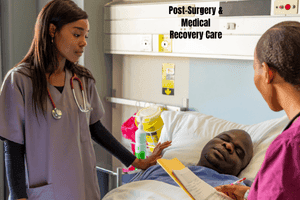
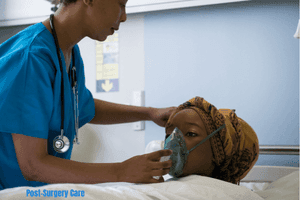
Professional caregivers help monitor vital signs, manage pain, prevent infections, and support mobility and hygiene. Emotional care is equally important, as patients often need reassurance and encouragement during recovery.
Regular follow-ups with healthcare professionals ensure safe healing, timely adjustments, and a smooth return to daily life. Post-surgery care is ultimately about restoring health, confidence, and independence.
Why Recovery Care Matters: Preventing Complications and Speeding Healing
Post-surgery or medical recovery care plays a vital role in ensuring a patient’s smooth transition from hospital to home. It goes beyond wound dressing and medication—it focuses on monitoring progress, preventing infections, and supporting the body’s natural healing process.
Proper recovery care helps identify early signs of complications such as swelling, bleeding, or infections before they become serious. It also ensures that patients follow prescribed treatment plans, maintain good hygiene, and get the right nutrition and rest needed for faster healing.
When patients receive attentive and consistent recovery care, they experience less discomfort, regain mobility sooner, and avoid unnecessary hospital readmissions. In essence, recovery care bridges the gap between treatment and full wellness—turning a challenging phase into a safe and steady path back to health.
The Difference between Hospital Recovery and Home-Based Care
Recovering after a medical procedure or surgery is a critical phase that determines how well and how quickly a patient returns to full health. While both hospital recovery and home-based care aim at complete healing, they differ in environment, level of supervision, comfort, and overall experience.
Understanding these differences helps patients and families make informed decisions about the most suitable recovery path.
1. Environment and Comfort
Hospital recovery offers constant medical supervision and access to specialized equipment, ensuring safety and immediate emergency care. However, it can feel restrictive due to limited privacy and the busy hospital environment.
On the other hand, home-based recovery provides comfort, familiarity, and emotional support, helping patients relax, reduce stress, and heal more naturally for improved recovery outcomes.
2. Level of Medical Supervision
Hospital recovery provides round-the-clock medical supervision from doctors and nurses who monitor vital signs, manage pain, and respond to complications immediately—ideal for patients with high-risk or intensive care needs.
In contrast, home-based recovery involves scheduled visits from healthcare professionals and regular check-ups, making it suitable for stable patients who can heal safely under professional guidance and family support.
3. Cost and Accessibility
Hospital stays can be expensive due to bed charges, equipment use, and medical staff costs. Home-based care is generally more affordable, especially for long-term recovery, as it eliminates hospital stay expenses while still providing essential medical attention and therapy.
4. Emotional and Social Support
Being surrounded by family members and loved ones during home recovery can significantly boost a patient’s emotional well-being. Hospitals often limit visitation hours, which may leave patients feeling isolated.
Home care bridges this gap by integrating recovery into daily family life, promoting motivation and a sense of belonging.
5. Independence and Lifestyle Adjustment
Home-based recovery encourages patients to gradually return to their normal routines, helping them rebuild independence and confidence. In hospitals, patients often depend entirely on healthcare providers for most tasks, delaying the return to self-sufficiency.
Both hospital recovery and home-based care play vital roles in the healing journey. Hospitals provide critical, intensive support for immediate post-surgery stabilization, while home-based care offers personalized, comfortable recovery that supports emotional and physical healing. The choice between the two should depend on the patient’s medical condition, support system, and personal comfort preferences.
Common Misconceptions about Post-Surgery Care
Many people underestimate the importance of proper post-surgery care, often relying on assumptions that can slow healing or cause complications. Understanding the truth behind these misconceptions is key to achieving a safe and full recovery.
“Once I’m discharged, I’m fully healed.”
Being discharged from the hospital means you’re stable enough to recover at home, not fully healed. Recovery may take weeks or months, so it’s vital to follow your doctor’s advice on wound care, medication, and activity for full healing.
“Pain after surgery means something is wrong.”
Mild to moderate pain is a normal part of healing. The goal of pain management is not to eliminate discomfort entirely but to make it manageable enough for you to rest and move safely. Persistent or severe pain, however, should always be reported to your healthcare provider.
“I don’t need follow-up appointments if I feel fine.”
Even if you feel well, follow-up visits allow doctors to monitor internal healing, remove sutures, or detect early signs of infection or complications. Skipping these check-ups can lead to unnoticed issues that worsen over time.
Home-Based Medical Recovery: Heal Comfortably at Home after Surgery
Recovering from surgery doesn’t end when you leave the hospital. Many patients continue healing at home — surrounded by comfort, familiarity, and loved ones. Home-based medical recovery blends professional care with the warmth of home, helping you recover faster, safer, and with less stress.
Why Choose Home Recovery After Surgery?
Home recovery is ideal for patients who are stable enough to leave the hospital but still need ongoing care.
Here’s why it works so well:
• Comfort and Familiarity: Being in your own space reduces stress and anxiety — both important for healing.
• Lower Infection Risk: You’re less exposed to hospital-acquired infections.
• Personalized Care: Your care fits your daily routine and preferences.
• Emotional Support: Family and friends can lift your mood and help you stay motivated.
How to Set Up a Safe & Supportive Home Environment
Before coming home, prepare your space for safety and convenience:
• Choose the Right Spot: Pick a well-lit area close to the bathroom. Keep essentials like medicine, water, and a phone nearby.
• Remove Hazards: Clear clutter, cords, and loose rugs to prevent falls.
• Get Proper Equipment: Ask your doctor if you need items like a walker, hospital bed, or grab bars.
• Keep It Clean: Regular cleaning and good airflow prevent infection and make recovery smoother.
Managing Medication, Diet & Hygiene at Home
Daily consistency helps your body heal efficiently.
• Take Medicine Safely: Follow your doctor’s schedule exactly. Use a chart or alarm to track doses.
• Eat for Healing: Choose foods rich in protein, vitamins, and fluids to rebuild strength.
• Stay Clean: Keep wounds clean and wash hands before and after care. Gentle bathing helps avoid infection and boosts comfort.
For Family Members: How to Support a Loved One in Recovery
Your support can make recovery easier and faster.
• Be Patient: Healing takes time — celebrate small progress.
• Communicate: Report unusual symptoms or pain changes to healthcare providers.
• Encourage Movement: Light walks (if approved) help circulation and prevent stiffness.
• Care for Yourself Too: Rest, eat well, and ask for help when needed — your wellbeing matters too.
Recovering at home after surgery can be deeply healing — physically and emotionally.
With the right setup, consistent care, and family support, home-based recovery helps patients regain strength, comfort, and independence at their own pace.
Family & Caregiver Involvement in Post-Surgery Recovery
Healing after surgery isn’t a solo journey — family and caregivers play a crucial role. Here’s how you can offer the right support, stay emotionally balanced, and communicate effectively with healthcare providers.
How Families Can Support Recovery
Your role matters. After discharge, patients often rely on family for both emotional comfort and daily assistance.
Ways to help:
• Assist with mobility, meals, and medication reminders.
• Keep the home clean, calm, and safe for movement.
• Offer emotional reassurance — positivity speeds up healing.
• Encourage the patient to speak up about pain or discomfort.
Remember: Small gestures like encouragement or just being present can make a huge difference.
Preventing Caregiver Burnout
Caring for someone recovering can be rewarding — but also exhausting. Burnout affects your health and the patient’s recovery.
Avoid burnout by:
• Sharing tasks with other family members.
• Taking short breaks to rest and recharge.
• Asking for professional help (nurse visits, physiotherapy).
• Maintaining your own health — eat well, sleep enough, and exercise.
🩵 Self-care isn’t selfish — it’s essential.
Communicating With Healthcare Providers
Clear communication ensures safe, effective recovery at home. Families are the link between doctors and patients.
Stay on top of things by:
• Keeping a shared notebook or app for medication and updates.
• Writing down questions before appointments.
• Asking doctors to clarify instructions or warning signs.
Tip: Consistent communication prevents mistakes and builds confidence in care routines.
Balancing Emotional and Practical Support
It’s easy to focus on tasks and forget feelings — but emotional care matters just as much.
Find balance by:
• Encouraging the patient to do small tasks independently.
• Being patient and reassuring during tough moments.
• Listening when they share fears or frustrations.
A mix of empathy and structure helps patients recover with confidence.
Key Takeaway
Post-surgery recovery is teamwork.
Families and caregivers can:
• Support daily needs
• Offer emotional comfort
• Communicate with doctors
• Care for themselves, too
By combining empathy, organization, and balance, you help your loved one heal — and protect your own well-being along the way.